NEW ARRIVALS

How Your Clothes Fit Starts With What You Wear Underneath

We spend a great deal of time thinking about what to wear. We consider the cut of a dress, the fit of a pair of trousers, the fabric of a skirt and whether an outfit flatters our figure. Yet sometimes, the difference between an outfit that looks good and one that feels just right is what we wear underneath.
That is where shapewear comes in.
For years, shapewear has been associated with special occasions, particularly weddings, parties and events where women want a smoother silhouette. But shapewear has evolved beyond the idea of squeezing into something tight for a few hours. Today, there are different styles, levels of compression and designs for different wardrobes, preferences and occasions.
The challenge is knowing what to choose.
Start With the Outfit
One of the most useful questions to ask before buying shapewear is: What am I wearing it with?
A fitted dress may call for a different foundation than a pair of high-waisted trousers. A lightweight skirt may require seamless shaping shorts, while an outfit with an open neckline may work better with a strapless bodysuit.
Think about where you want the garment to begin and end, which areas you would like supported, and whether its seams or edges might show through your clothes.
The right shapewear should work with your wardrobe, not create another problem you have to dress around.
Understand the Different Levels of Hold
Not all shapewear is designed to provide the same level of compression.
Light shaping generally offers gentle smoothing and a more natural feel. It can be useful for everyday dressing or clothing that needs a smooth foundation.
Medium shaping provides more noticeable support and contouring, often around the waist, tummy, hips or thighs, depending on the design.
Firm / Extra Firm shaping offers a stronger hold for women who prefer a more structured silhouette.
More compression is not automatically better. The right choice depends on the outfit, your comfort preferences and how long you intend to wear the garment.
If you cannot sit comfortably, breathe normally or move freely, reconsider the fit or compression level.
Choose the Right Style for the Job
Shapewear comes in several forms, each serving a different purpose.

High-Waist Briefs: Help create a smoother appearance around the tummy and waist while leaving the legs uncovered.
Shaping Shorts & Thigh/Leg Shapers: Provide smoothing and support across the waist, hips and thighs, with some styles extending down the legs. Selected styles can also help reduce thigh friction.
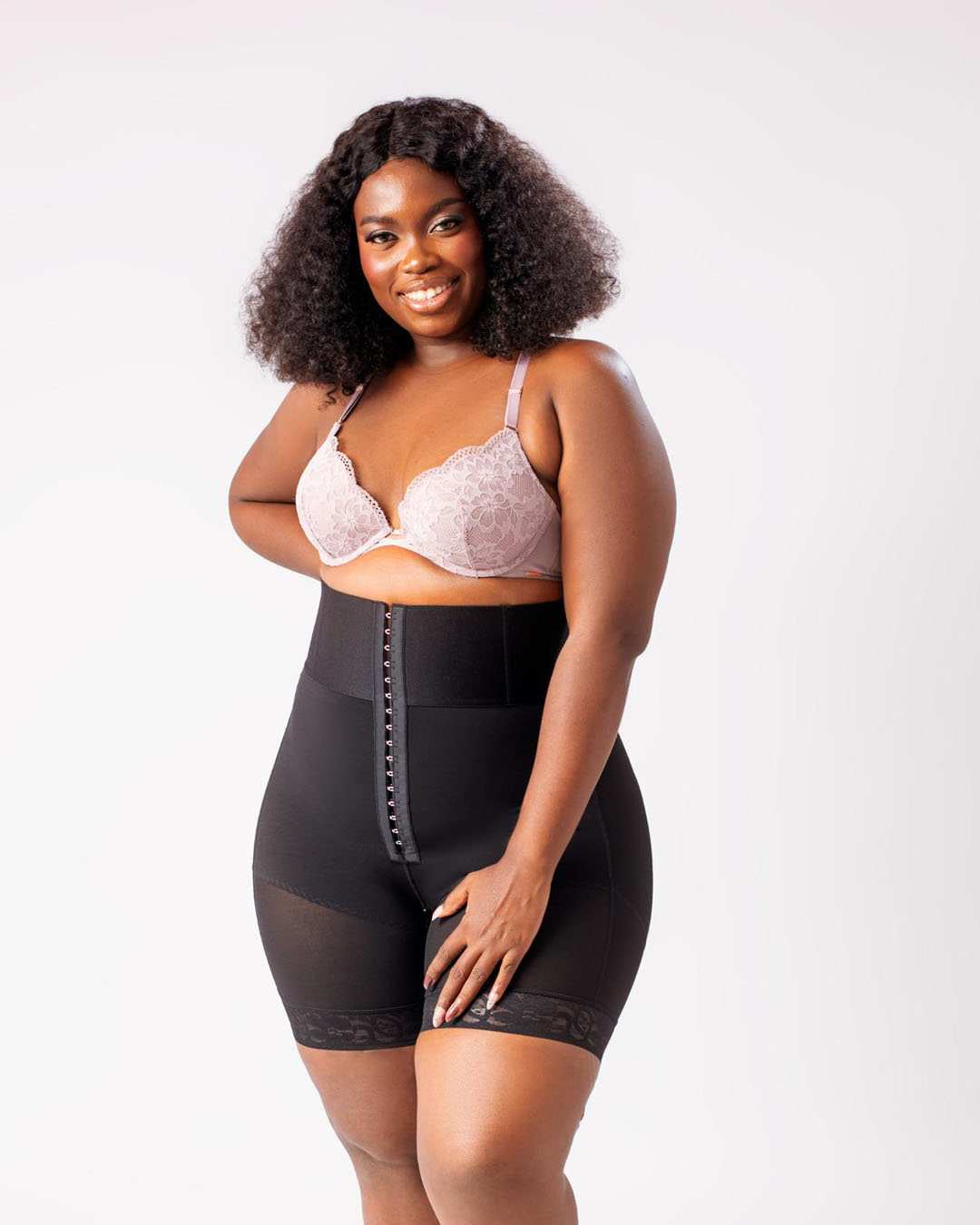
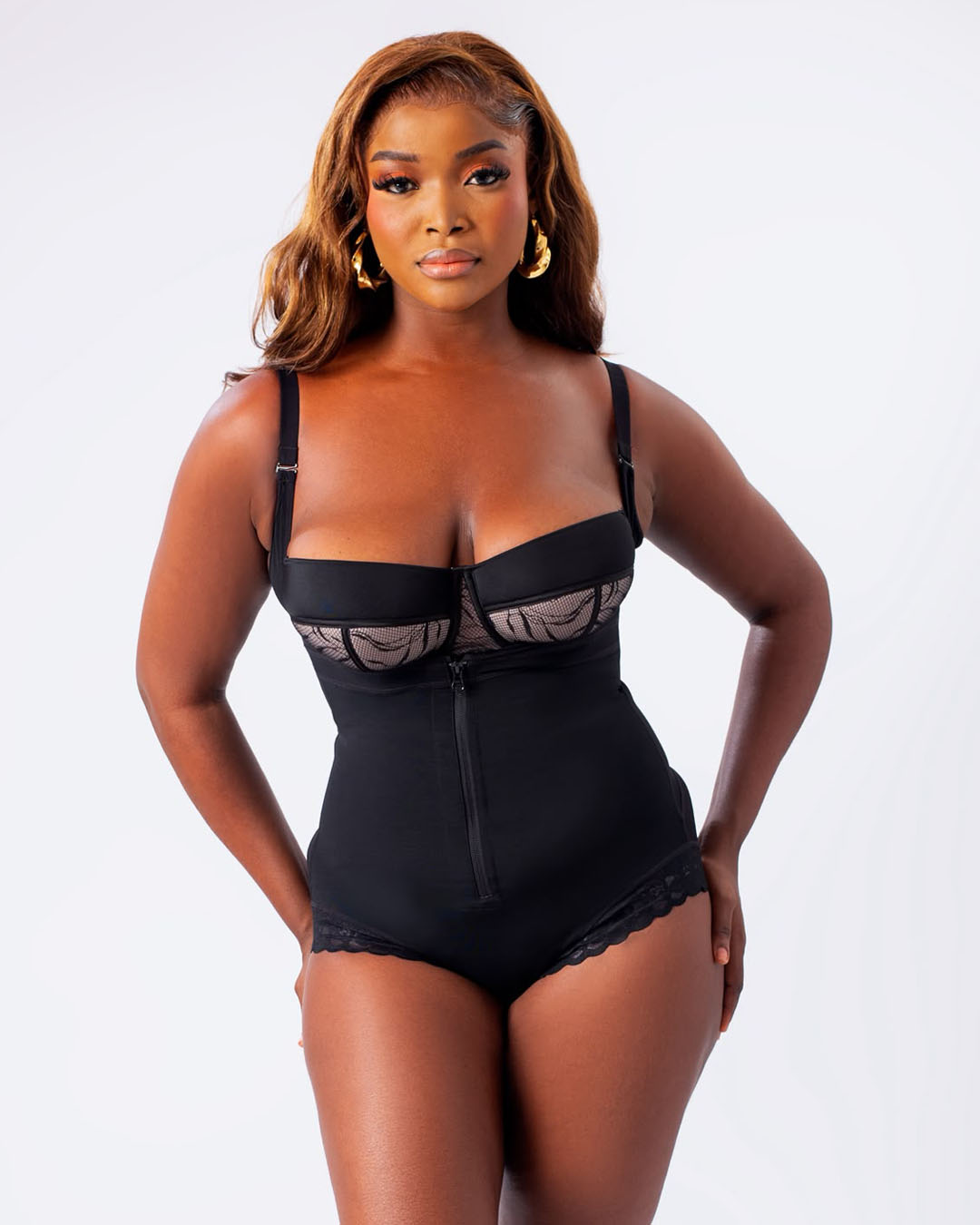
Body Briefers & Bodysuits: Offer more continuous shaping through the torso, with some styles extending to the thighs. Options include strapless designs and open-bust styles that allow you to wear your own bra.
Waist-Focused Shapers: Provide targeted support and definition around the midsection. Waist trainer vests may also offer smoothing and coverage across the upper back.

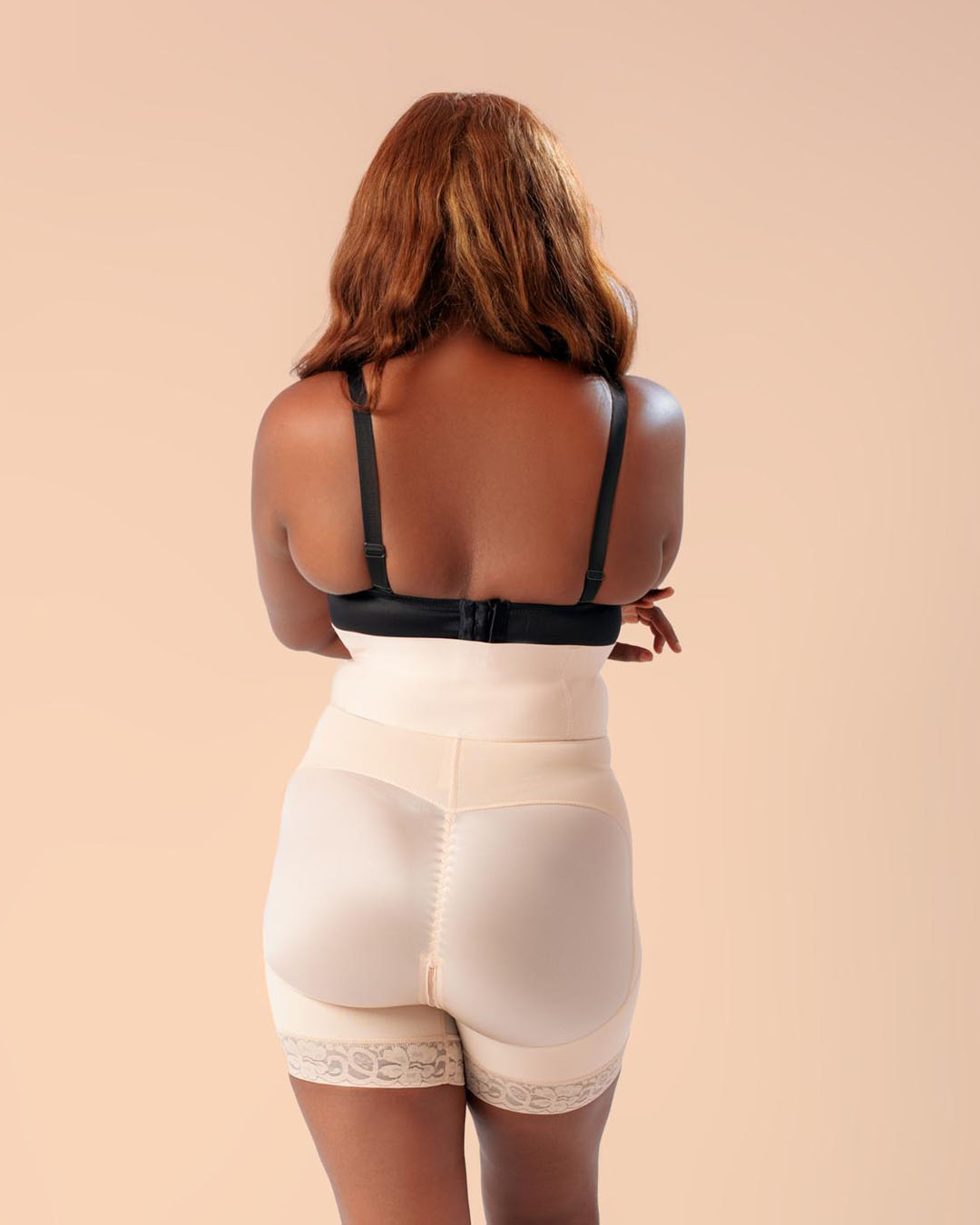
Butt Lifters: Designed to lift, enhance and define the natural shape of the buttocks. Available in different styles, including designs that provide shaping around the hips and thighs.
No single style is ideal for every outfit. Having the right options matters more than expecting one garment to do everything.
Fit Matters More Than the Number on the Label
One of the most common shapewear mistakes is choosing a smaller size in the hope of getting a firmer hold.
But sizing down can cause discomfort, digging, rolling and unwanted bulges. It may even make the garment more visible underneath clothing.
Start with your measurements and the size guide. Pay attention to how the garment sits around the waist, hips and thighs.
A well-fitting shaper should remain reasonably secure as you walk, sit and bend. Its edges should not constantly roll, and the garment should not require repeated adjustments throughout the day.
The aim is effective shaping with wearable comfort.
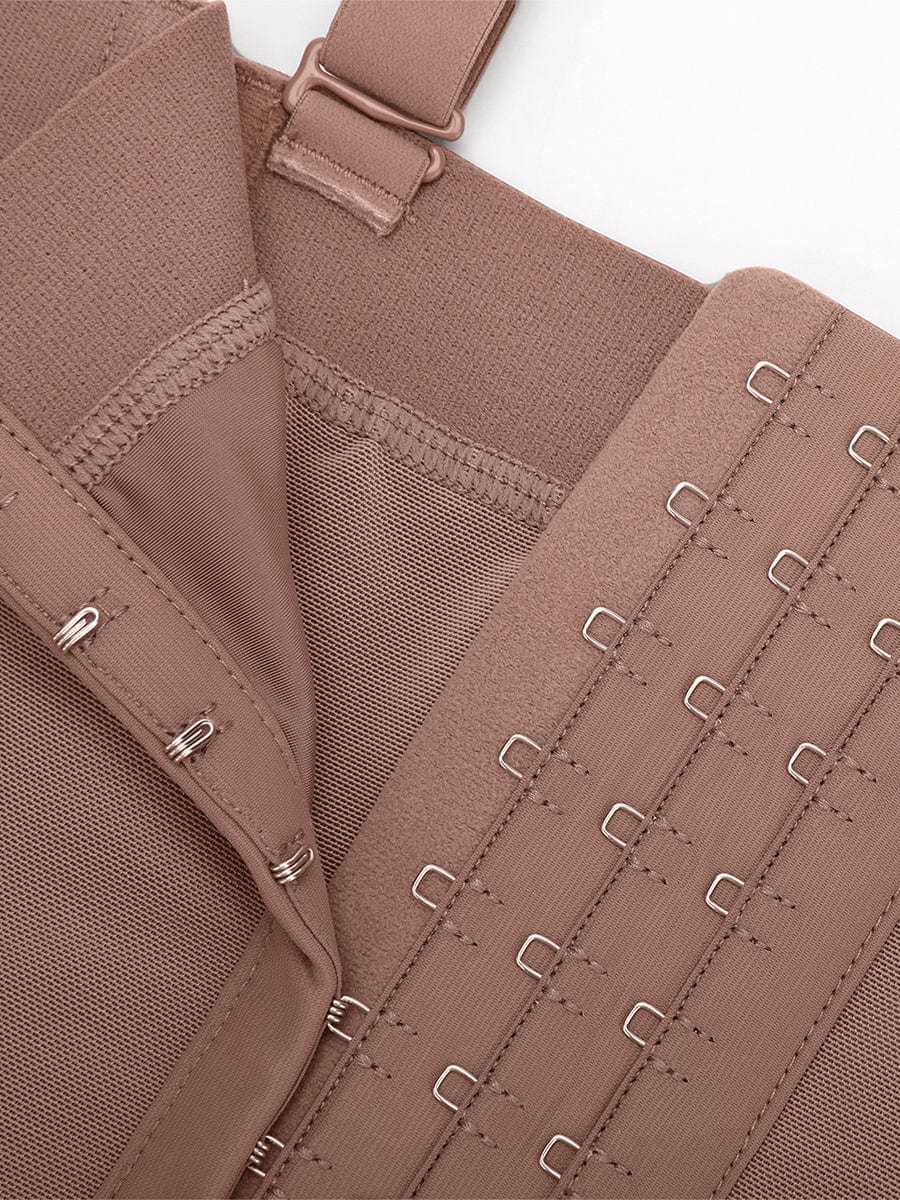
Pay Attention to Fabric and Construction
The fabric and construction of shapewear can make as much difference as the style.
Look at stretch, breathability, seams, waistbands, leg openings and the way compression is distributed.
A garment with carefully placed support panels may feel different from one that provides uniform compression. Seamless edges can be helpful beneath certain fabrics, while structured designs may be better suited to women seeking a firmer hold.
Before deciding, think about how the shapewear will feel after several hours, not just how it looks when you first put it on.
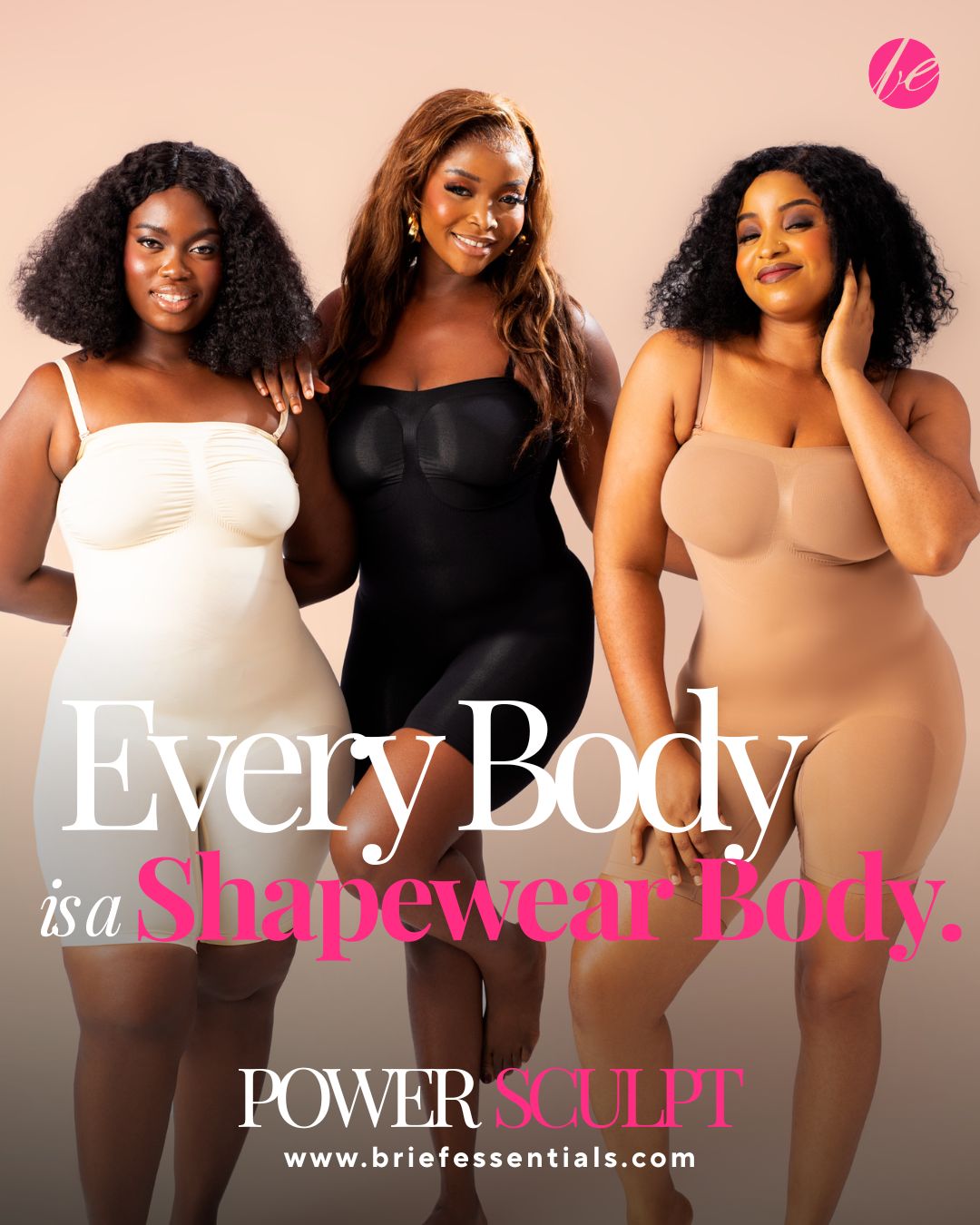
Every Body Is a Shapewear Body
There is no single body type that shapewear is made for.
Women of different shapes and sizes may choose to wear it for different reasons. Some want a smoother finish beneath fitted clothing. Others prefer additional support around the waist or tummy. Some simply enjoy the feeling of a more structured foundation.
And some women prefer not to wear shapewear at all.
It is a personal wardrobe choice, not a requirement for looking beautiful or being well dressed.
The most important consideration is whether the garment does what you want it to do while allowing you to feel comfortable and confident.
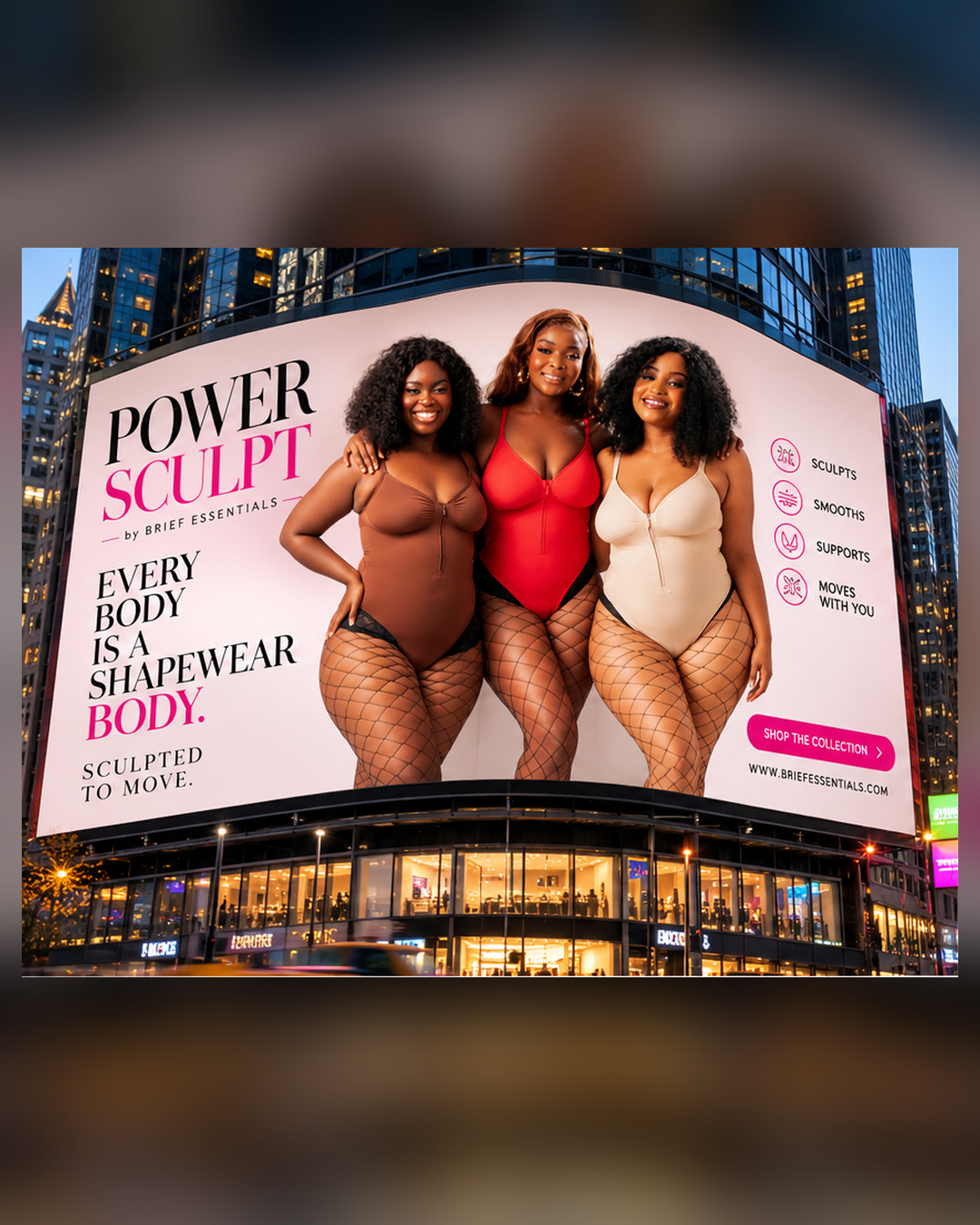
The Right Hold. The Freedom to Move.
At Brief Essentials, we have spent more than 15 years helping women navigate lingerie, fit and shapewear choices. One thing has remained central to our approach: the right foundation should support the woman wearing it.
The PowerSculpt collection brings together different shapewear styles for different bodies, wardrobes and preferences.
The philosophy behind our Sculpted to Move campaign is the same one we have championed for years:
Shapewear that holds you in without holding you back.
Because whatever you choose to wear, you should still be able to move, live and feel like yourself.
Explore PowerSculpt at www.briefessentials.com.


